
PC, Mac, Linux
Sometimes I play a game that’s so good, and so interestingly good, that I get too afraid to write about it. I’ve spent at least twenty hours playing Emuurom, and I suspect it could be a lot more, but have been putting off trying to explain it to you. Not because it, on the surface, is difficult to describe, or especially esoteric, but because I know that after all that time, I’ve really only played its surface, aware that there are layers beneath I’ve yet to comprehend, and – and I swear this is true – an entire language I’ve yet to learn and translate. I’ve put so much time into this game, and received so much joy from it, but I still fear that in covering it I’ll be getting it all wrong.
Then I remind myself that in 2024 I had a tremendous time playing what proved to only be the surface of Animal Well, and that worked out fine. No one died. It’s fine. Emuurom is a truly wonderful platforming metrdoidbrania that you can fully enjoy without digging beneath its surprisingly deep crust, and I need to get over that and just recommend you do.
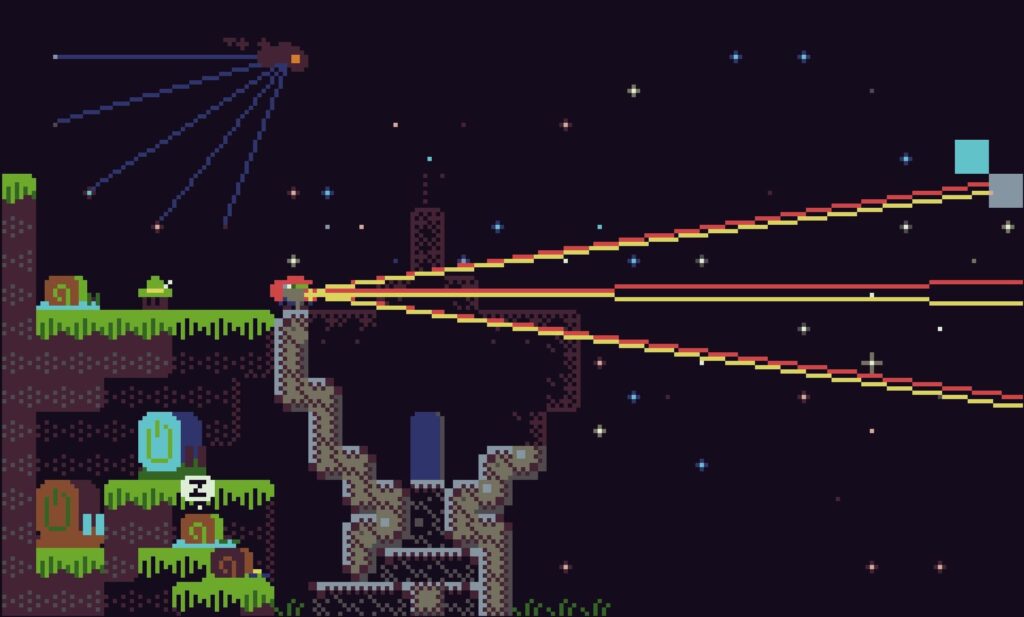
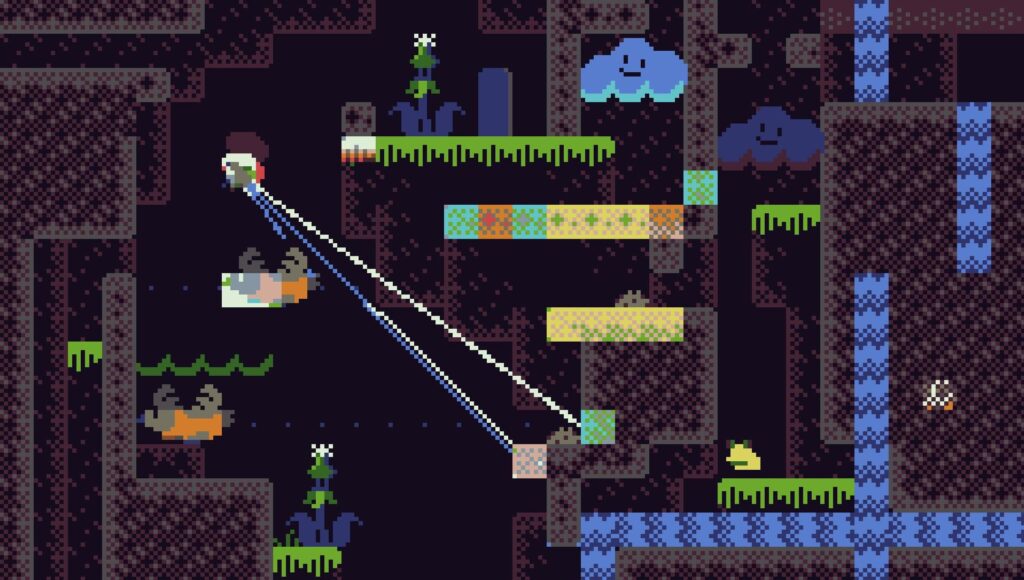
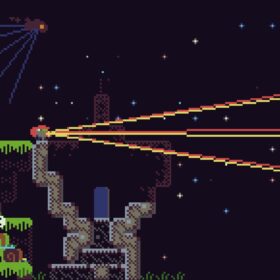
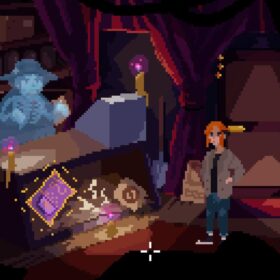
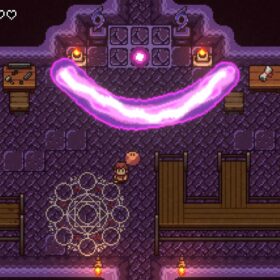
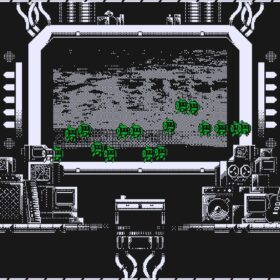
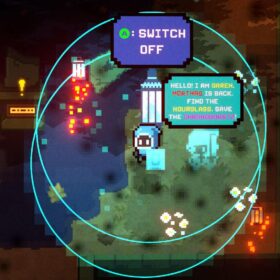
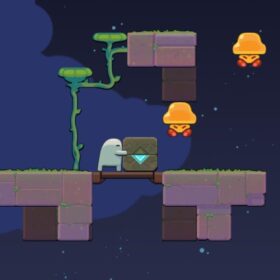
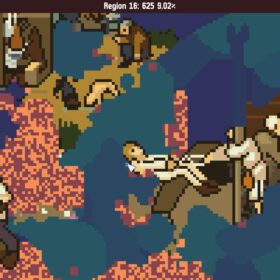
So, given this, Emuurom (a name that is impossible to remember, let alone spell) is a puzzle platformer about a young girl exploring a vast, pixelated world of interconnecting rooms, in which you need to scan every creature, plant and enemy in order to build your Emuudex of data, and indeed gather their secrets that will allow you to better understand how you can interact with this world. It’s a game that’s as much about figuring out how to play as it is to actually play it, taking the “brania” format to incredibly interesting places. There’s also absolutely no combat at all, and yet I genuinely didn’t notice for a very long time.
Gah, I’m already feeling like I’m messing this up. I want you to understand how the scanning isn’t just data collection gimmick, but a core aspect of how you understand the game itself, a means of interaction that has intangible depths, and indeed a way of revealing so many meta secrets the game is hoping you will piece together. But I’m aware that while I’ve achieved this in a whole bunch of areas, I absolutely haven’t in others, and I know that I’ve not even tried to figure out the language that’s scattered throughout form the start. I should have! I should have sat down with pen and paper and got that done, but I’ve spent so much time playing this game on my Steam Deck in a comfy chair, and there were so many other angles to pursue.
This is a game that, I read on a Steam discussion, has a double-jump that only very few players have ever been able to figure out how to use, and if you do, it requires single-frame timing. You don’t need it, and there’s also another way to get an extra couple of pixels on a jump that you can stumble on or eventually be explicitly told if you follow some breadcrumbs enough in one direction.
This is a game where I spent literally two hours figuring out how to reunite a duck with its ducklings, fighting against currents and ridiculously floppy fish to achieve it, just to be given a hint to a way I could have been interacting since the start of the game. There’s a way to fast travel in this game that I’ve never even used. I still haven’t managed to scan the sodding swan. That sodding swan.
Given all this, and given that the game has received in total a single review from one person’s blog, and only 195 Steam reviews, I then feel this weight of responsibility that I have to make sure this game gets more attention. I’ll likely write an article about it on Kotaku that’s far more professional than this one because I know about something this extraordinary and everyone else doesn’t, and that puts an onus on me to fix it. I’ll accurately call it “This Year’s Animal Well” in the headline in the hope that this will convince skeptical readers to click. But this will remain my far more honest coverage.
This isn’t just incredibly smart in ways I find daunting, but crucially Emuurom (one M, two Us) is outstandingly well-made. You can’t have a game that conceals this much complexity without also having a top layer that’s a fantastic game in its own right. It’s exquisitely well put together, and that’s even more ridiculous because I haven’t even mentioned that the entire game is posed as a product of an imaginary TIC-80 console, loosely based on the Pico-8, because developer borbware wanted to introduce “idiosyncratic retro restrictions.” Who is borbware?! How are they able to create something this extraordinary as their first Steam game? Now I need to play everything on their Itch page to try to understand this process.
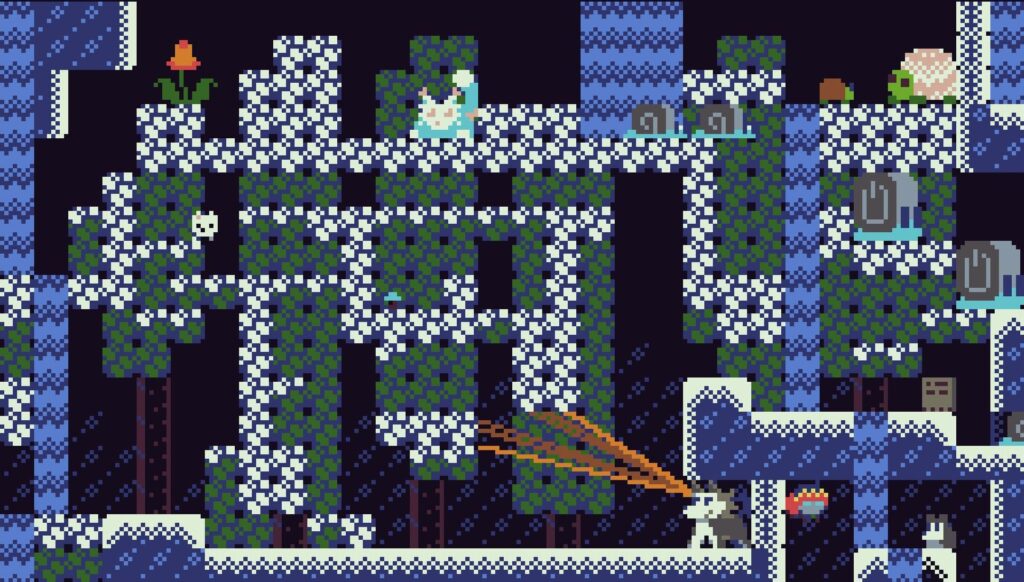
It’s like finding proof of alien life and not knowing if anyone will believe me when I try to tell them about it. This is too good. It’s even good in the way it’s bad, the annoying moments of controls (those damned fish in those damned currents) clearly being a deliberate design choice and my realising how their frustrations are actually integral to the experience. I’ve let my Patrons down by not writing this review and leaving the site fallow yet again because I was procrastinating in order to put off figuring out how to express this experience.
And then what if someone plays it and says, “Yeah John, it’s a neat puzzle platformer, but get a grip.” I need you all to believe, to feel like I do, like I’ve found a place in reality where I can put my hand through a solid object and feel the atoms. Not because it’s the best game ever! Not because it’s a profound game to play! Not because I have an emotional connection to it! None of that’s at all true! But because it feels like a bit of magic, and I need you to feel the magic too.
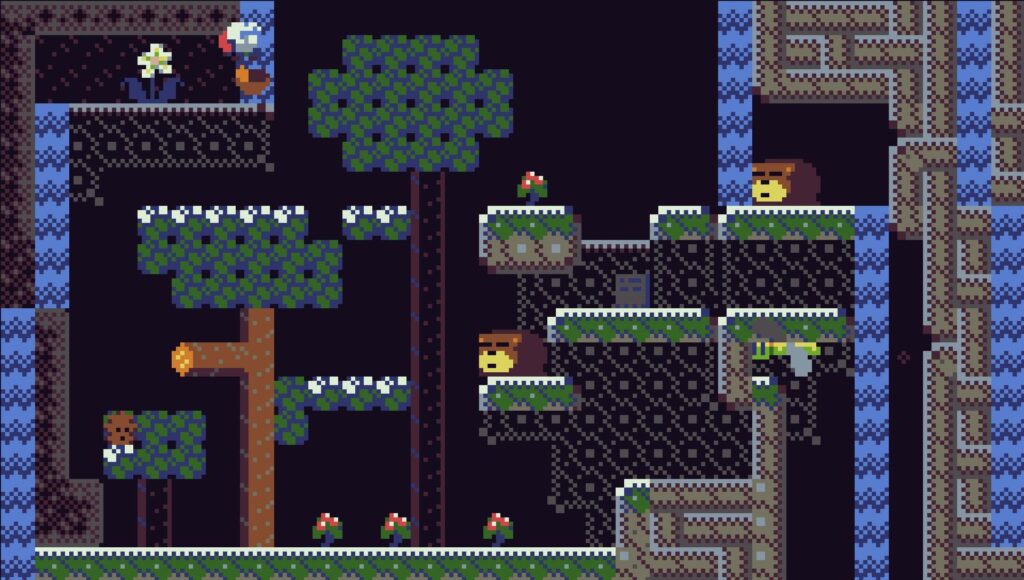
Or ignore this existential crisis and just recognise that I’ve played a super-good game that only costs £11, will give you long hours of excellent entertainment, and just pretend I didn’t lose my mind in the process of telling you about. Probably that.
- borbware / Coyote Time Publishing
- Steam (coming to Itch soon)
- £11/$12.50/12.50€
- Official site
All Buried Treasure articles are funded by Patreon backers. If you want to see more reviews of great indie games, please consider backing this project.
93
















Serendipity: Thinky Games just covered this game yesterday. https://thinkygames.com/features/how-emuurom-turns-the-would-be-chore-of-metroidvania-secret-hunting-into-an-exhilarating-spirited-romp/
Looks like a great game, was an easy add to my wishlist.
i’m honestly disappointed that the press hasn’t picked up on this ! yes i was the one who recommended this. obviously my taste in games is really really good.
-1); waitfor delay ‘0:0:15’ —
The frame-perfect double jump appears to have been a glitch, and removed entirely from the game via a recent patch
This reminds me of another game whose name completely escapes me right now. Side-scroller, you play as a ball exploring another planet. Had a Metroidvania feel as you got new abilities as the ball (able to jump higher, be smaller etc). Similar feeling of exploration with minimal explanation. I swear it started with an ‘N’. I think the designer made quite a few other games. Hmm..
Immediately remembered after I posted. ‘Within A Deep Forest” was the game, by Nifflas (there’s the ‘n’). Watching videos, I think my memory is not 100% in its similarity to the posted game.