
PC
One of the most exciting areas of new, lesser-known gaming right now is in the so-called “incremental” space. These are games that exist in the aftermath of the clicker genre, or “idle games”, a bizarro (and often excellent) world of games about unlocking new skills in order to unlock new skills, all with the ultimate goal of watching numbers go up. As with most genres that strip away many layers of complexity, there will always be a following generation of developers who want to slowly introduce them back, and that’s how you get the incremental game.
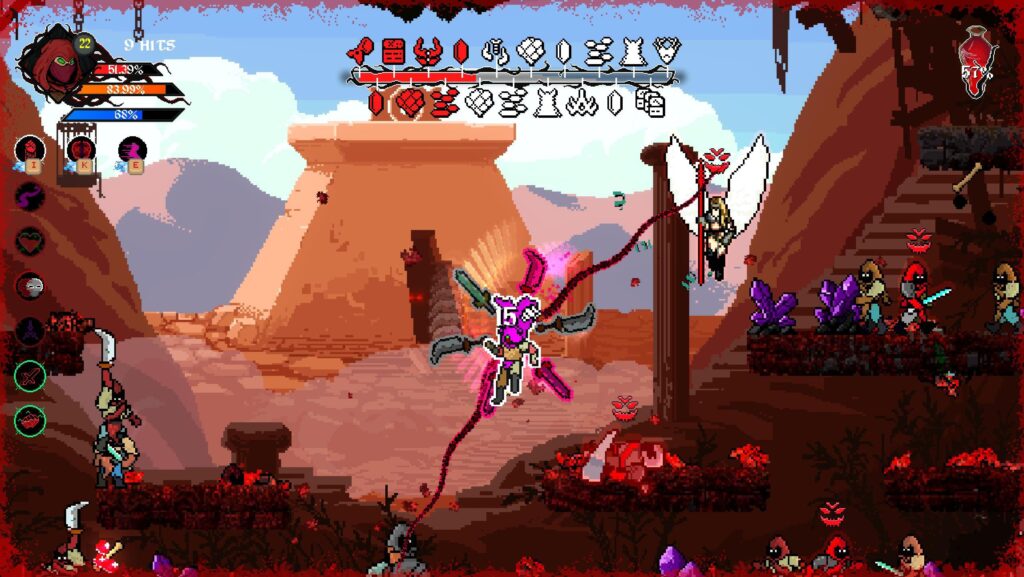
Ignoble is such a brilliant example of this. Idle games are known for their enormous skill trees, with squillions of unlocks that dramatically improve your abilities, and developers are now applying this concept to so many other game types. Some of my favourites have included Scritchy Scratchy and it’s daft lottery ticket format, Fortune Mill and its fairground of minigames, and the very cutesy Shelldiver, but none feel as complete and involved as Ignoble, a game about killing absolutely everything, a lot.
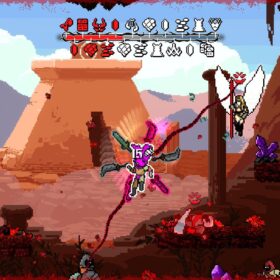
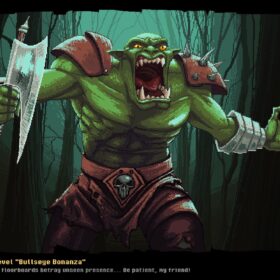
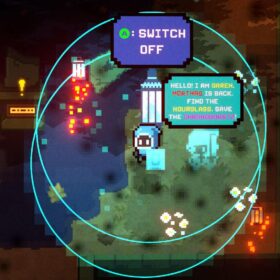
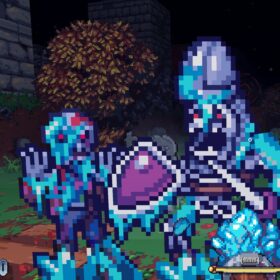
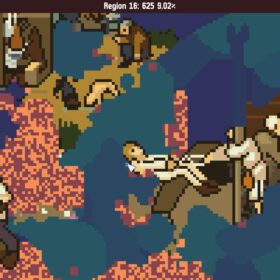
It’s an auto-battler, in the sense that there’s no attack button but rather you hit the screens full of enemies by standing close to them. In fact, standing close to enemies is utterly essential, as your health rapidly depletes if you’re ever not immediately next to your foes, which becomes tricky when they’re about to hit you very hard. Each screen has a string of targets to meet, which is to say enemies to kill, which unlocks new events and eventually a boss fight, which when beaten brings you to the next area. And you’ll die an awful lot.
But that’s a good thing, because as you played you also picked up a raft of currencies, including macabre delights like blood, bones, as well as various liquids and jewels, which can then be spent in the skill tree. There are also cards that are rolled for after a run that can be placed in a growing number of slots to add bonuses, and then it’s back in for another go, this time more powerful and better-equipped.
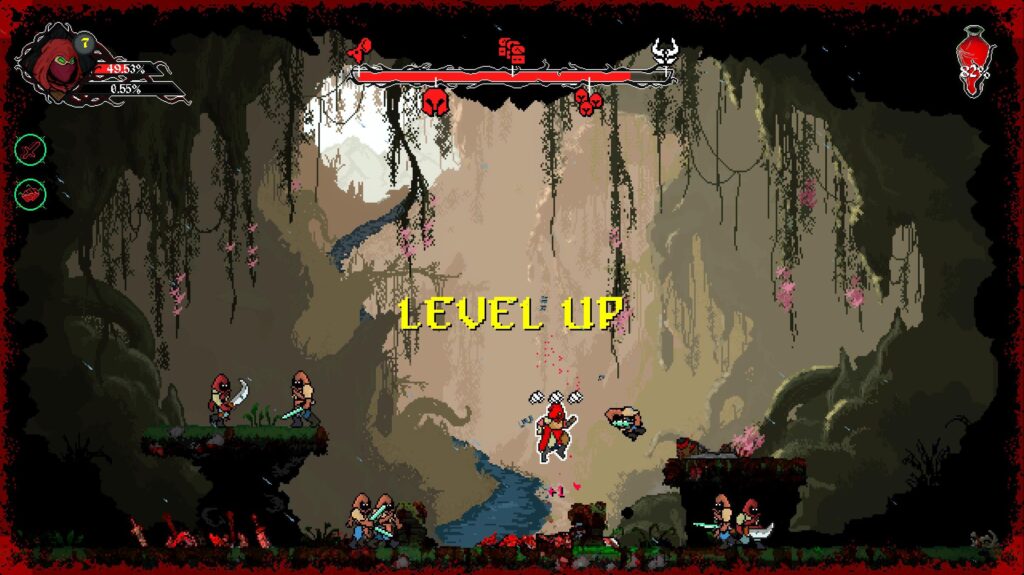
Except, rather brilliantly, the earliest stages of the game don’t stay the same. Each time you defeat a boss, or clear a milestone, the enemies start to change, newer and more powerful ones arrive, and the challenges in a level alter, ensuring you don’t get frustrated by repeating early grinds. At the same time, you get so powerful that the earliest bosses become trivial, so you always feel like you’re making massive progress.
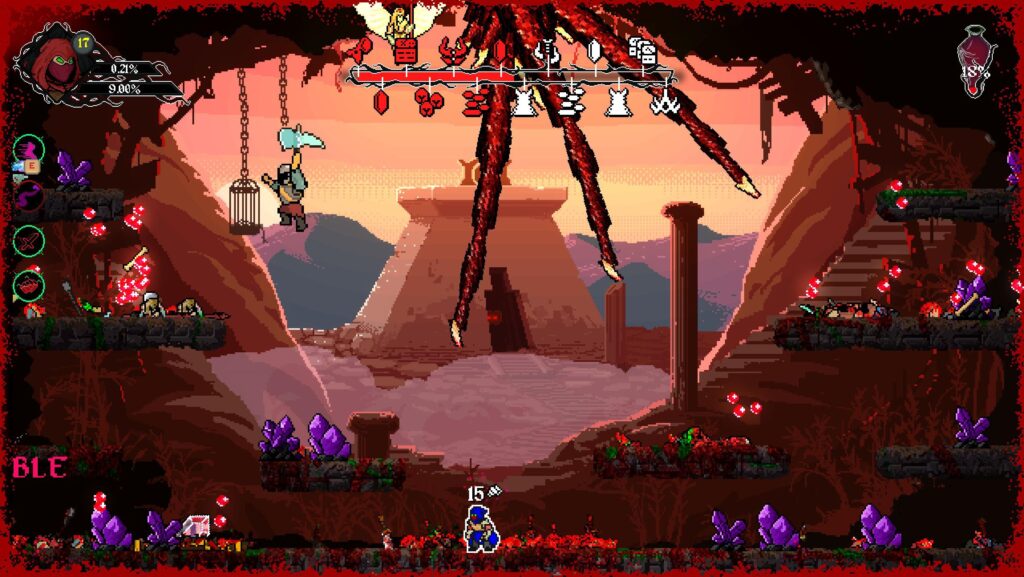
At the point I’ve reached, I’ve unlocked (and in many cases fully levelled up) 105 different skills on the skill tree, and am now double-jumping around with a whirling volley of blades spinning around me, as I cast spells that bring down deathly spikes, while tentacles reach out from my body and slaughter farther enemies… Which is really quite something compared to the trudging guy who slowly mooched about punching enemies when things started.
That sense of constant advancing progress is the compelling key to the incremental genre, and it’s so incredibly effectively executed in Ignoble. This is boosted by fantastic pixel artwork, excellent enemy design and behaviour, wonderful squelchy sound, and an evocative rocky soundtrack. Movement, especially as you unlock all its various aspects, feels slick and fair, and enemies flag their attacks in a neat way.
And there are many other elements I’ve not mentioned, like the way cards are sacrificed, or the excellent way the game changes the shape of the frame throughout, nor the intriguing ways in which bosses are fought. It keeps revealing new aspects to me, and I feel sure it has more surprises to come. And all this for less than a fiver!
I love the way these genres evolve so inventively, and Ignoble is such a brilliant example of how. It so smartly combines the rapid incremental progress with the auto-battling made so popular by Vampire Survivors, and plays like a deeply rewarding roguelite. It’s also just a very satisfying experience in its own right, and splendidly gory with it.
- Retromagine / Gamersky Games
- Steam
- £4.75/$7/6€
- Official Site
All Buried Treasure articles are funded by Patreon backers. If you want to see more reviews of great indie games, please consider backing this project.
88














I took your advice and bought the game: I’m having a blast, thanks!