PC, Switch, Xbox, PlayStation
Imagine if I’d brought you here today to tell you that I knew about a massive 2D Zelda-like RPG, packed with towns, dungeons, puzzles and exploration, and it’s all completely great, and that no one is even aware it exists. That would be madness, right? And yet, Elementallis. How this is a buried treasure I do not understand, but let’s dig it up and spread the word.
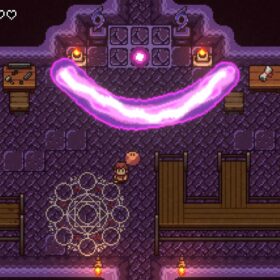
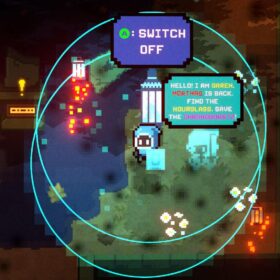
Obviously a lot of people try to make 2D Zelda-likes, and most fall far short. Some are novel, or at least competent, but they’re few and far between. And then here comes Elementallis, the passion project of developer Iván Ruiz Lozano, funded on Kickstarter back in 2021, and released last month. And it’s astonishing. It not only withstands the comparison, but brings its own ideas to the table, in a wonderful RPG about recovering eight elements and adding them to your ever-growing suite of abilities.
Let’s be calm here. Elementallis has a few issues here and there, so lacks the impossible perfection of so many Nintendo-made Zelda games, because of course it does. This is primarily the work of one person, with a pixel artist, composer and writer backing him up, and that I’m even weighing one in each hand is extraordinary stuff. This game has hooked me for well over a week as I’ve explored its whole world, and as much as I might have to remember to gripe about its lack of direction in places, such issues fade into the background after such a compelling and engrossing time.
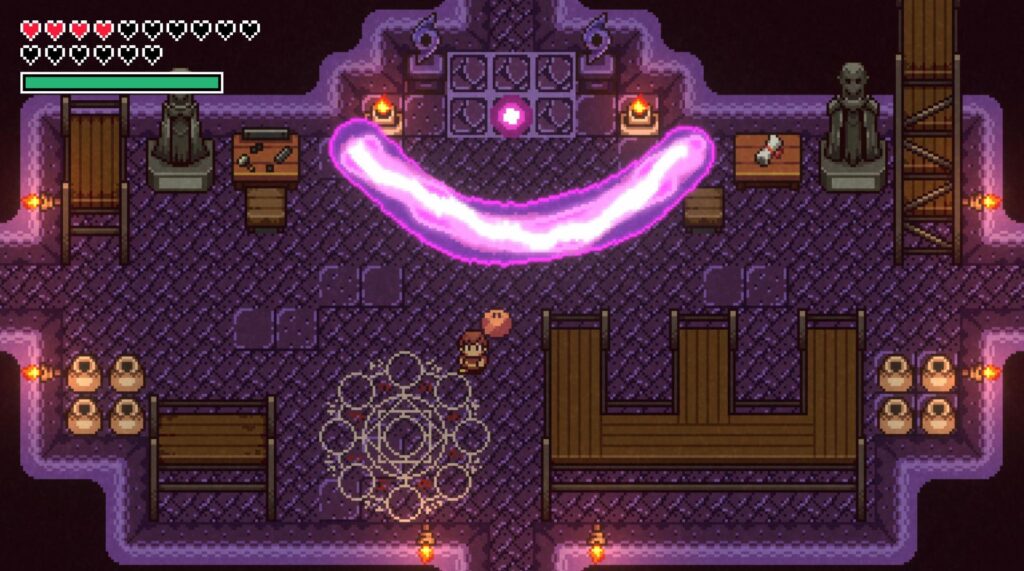
Your character, male or female, named as you choose (mine was Samantha, so let’s just pretend that’s her name), is the child of two Elementalists, magic-wielding types who train in the Academy to master abilities based on the eight elements. However, ten years ago when you were but a toddler your parents appeared to rebel against the Academy and went on some sort of mad spree with ambiguous goals. This resulted in your following them to a chamber and being imbued with the most mysterious element, aether. Ten years later, having been raised by an elder gentleman from the Academy, you decide you want to go out and adventure for yourself and explore the path your parents once took.
If that sounds a little vague, it’s because this is the first of Elementallis‘s weaknesses – it is, to some degree deliberately, ambiguous in its telling, but to the detriment of feeling entirely coherent. It ultimately doesn’t matter a huge amount, and the story does eventually resolve, but it was certainly a sticking point that I was never quite sure what my parents had actually done, and so therefore what I was narratively ultimately trying to achieve. Thankfully that was not the case mechanically at all, and in the sense of understanding my purpose for progress I was always very clearly focused: I’d explored an area, seen the limitations of my progress, and recognised that with a new ability I can return and move further. And far more importantly, doing all this is enormously fun.
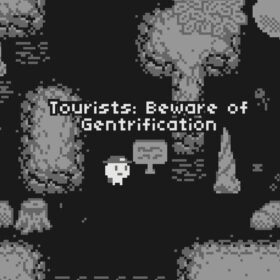
Talking of progress, let’s get the other main weakness out of the way: what the game desperately needs is a better sense of where it wants you to go next. Large swathes of the map are explorable from very early on, which is extremely laudable, but without a solid indication of at least which region you’re supposed to be progressing in next it can introduce frustrations. The pattern of the game is fathoming a route to each area’s temple, then completing the almighty dungeon within, before moving on to a new region. But which? There are ways of figuring this out, but they’re bizarrely opaque! For instance, there are two NPC tourists who show up throughout – utterly ghastly sorts who have fantastic dialogue – and they’ll mention where they’re planning to go next when you’ve completed the temple in one region. That’s your main hint, but that’s pretty rubbish, and it’d make far more sense to have the game just openly acknowledge your next geographical goal.
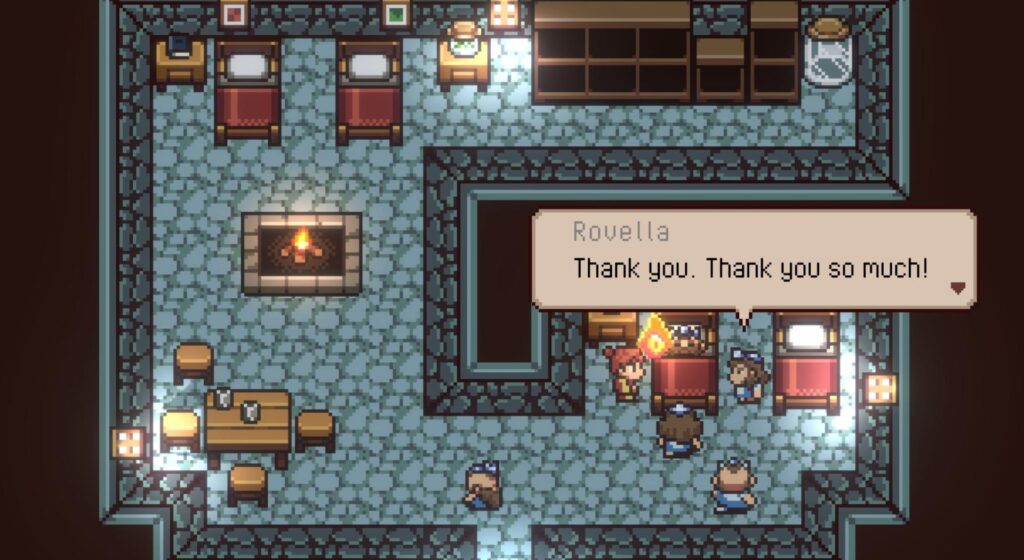
Not least because once you know it, it’s delightfully not straightforward. Each new elemental ability gains you more paths you can take and better ways to combat tougher enemies, and you’re going to need to start combining your growing suite of powers for each new area, both for general progression and puzzle solving. There are multiple mini-dungeons in each area, offering extremely useful items and money for upgrades, as well as a whole bunch of secrets and bonuses to discover. Plus many NPCs with fun stories to tell, or mini-goals for you to complete. Plus little villages with shops and taverns, along with recurring characters, which all add background information to the events that took place ten years ago and the consequences on their world.
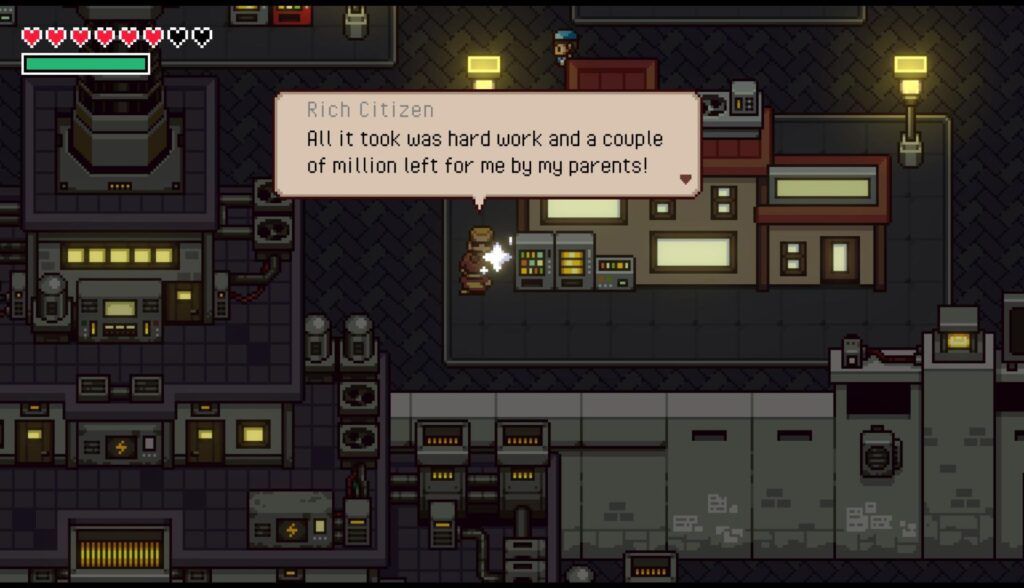
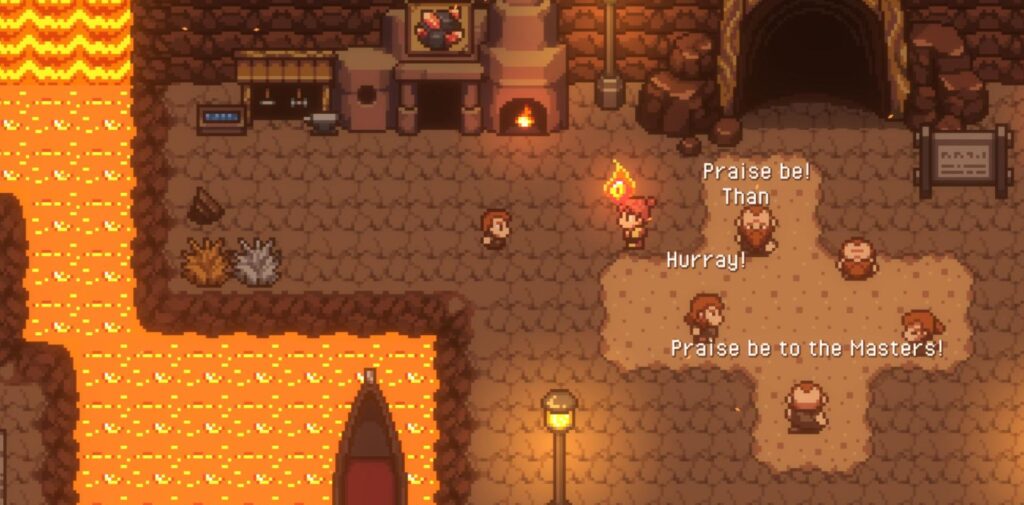
Elementallis offers so much variety as you play, each region distinct, even if mostly by the cliches of the genre: there are the fiery mountains, the icy caverns, sandy beaches and the green forests, much as you’d expect. But each is superbly realised, with its own wide range of unique enemies each with their own attack patterns and weaknesses. While it could certainly do with a much better fast-travel system (there are a total of eight teleport points, but they’re huge distances apart and often in the most inconvenient location), it’s a splendidly massive map that’s absolutely packed with details to discover, especially when returning to earlier areas with all your new abilities.
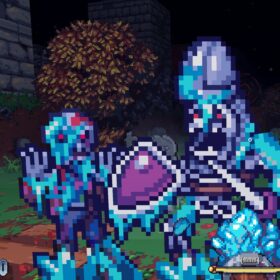
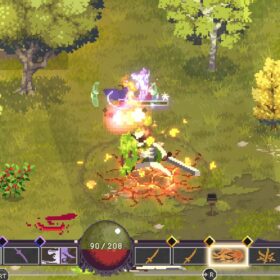
Combat is pretty simple, as you’d expect from a 2D Zelda, bopping most enemies with your sword and then moving out of the way of their ripostes. But you’ll quickly be lobbing fireballs, freezing them with paths of ice, zapping them with electricity, or even getting fancy and creating a puddle of water underneath them then switching to electrocute the ground. More surprising is the simplicity of boss fights, and as you might expect I have no complaints about that at all. They’re oddly easy, but that’s infinitely better than being too hard and preventing progress, and a few have some interesting strategies to learn as you play.
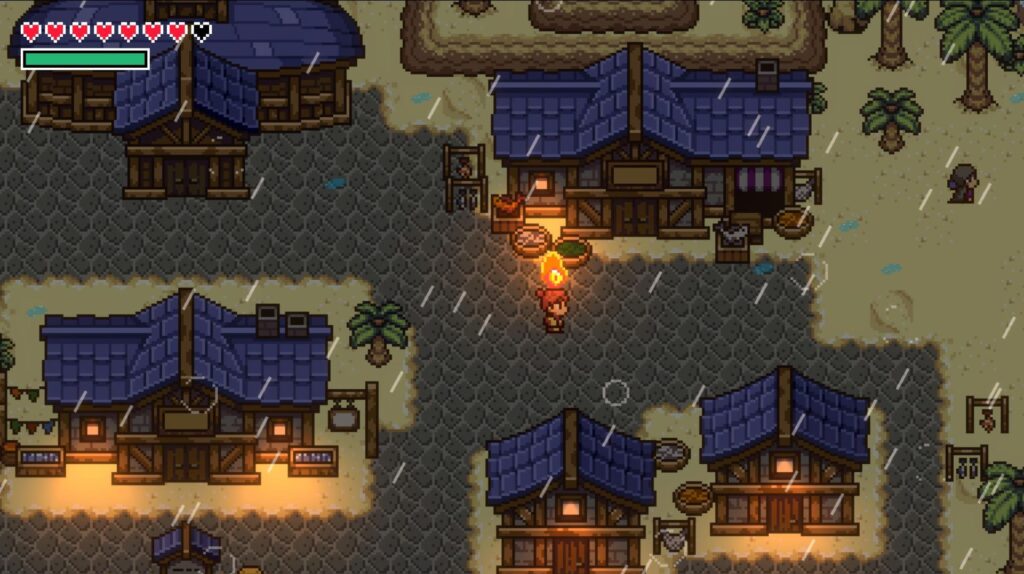
I’m just so impressed! So no, as tempting as it is to call this “the missing Nintendo Zelda game” it does of course fall short of the bizarre perfection of A Link to the Past or what have you. But damn, it’s still tempting. This is a spectacular achievement, and a hugely fun and enormous game, packed with original ideas among the appropriately borrowed conceit. It’s a game the whole games press should be – I think the young people say – popping off over. Especially given it’s out for Nintendo Switch, along with other consoles. So let’s sing its praises until it can’t be ignored.
- AnKae Games / Top Hat Studios
- Steam, GOG, Switch, Xbox, PlayStation
- £14 / $15 / €15
- Official Site
All Buried Treasure articles are funded by Patreon backers. If you want to see more reviews of great indie games, please consider backing this project.
86